 Real Sociedad B Hub
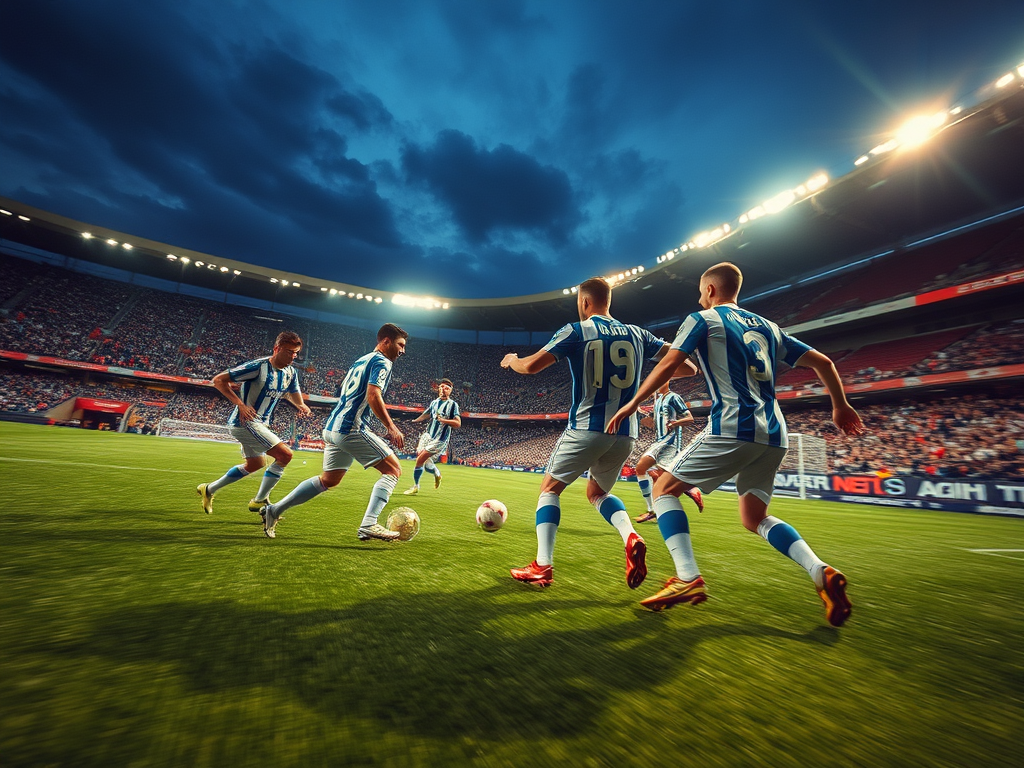
La Real has accustomed its fans in San Sebastián to vibrant and effective football, built on a well-defined system. However, in recent League rounds, we have witnessed somewhat inconsistent performance, with ups and downs that have sown certain doubts at the Stadium. It's time to tactically dissect what elements are contributing to this instability and propose possible solutions.
Offensive Phase Adjustments: Lack of Depth and Rhythm
Analyzing the most recent matches, a certain lack of fluidity in the offensive phase is observed, especially when facing teams that defend with low blocks. La Real's ability to disorganize defenses has been diminished. Often, the play becomes excessively wide, over-relying on crosses into the box without an occupation of interior spaces that generates real danger. There is a lack of greater connection between the attacking midfielders and the striker, with breaking runs and off-the-ball movements that stretch rival defenses. The pace of ball circulation has also, at times, been too slow, allowing opponents to reorganize with ease.
Fragility in Defensive Transitions and Midfield Gaps
On the defensive side, the main weakness lies in rapid opponent transitions after losing possession in the attacking half. Centre-backs often find themselves exposed in one-on-one situations or outnumbered due to insufficient backtracking or inadequate cover from the central midfielders. Furthermore, at times, the midfield has appeared less compact, allowing opponents to progress relatively comfortably through the interior channels, creating dangerous spaces between the backline and the pivots. The intensity in counter-pressing, a hallmark of the team, has also decreased during certain periods of recent matches.
Suggested Tactical Tweaks
To reverse this dynamic, the following adjustments are suggested:
1. Greater Verticality and Mobility in Attack: Encourage the interior midfielders to venture more into the box and look for through balls. The strikers' movements must be more varied, alternating between dropping deep and making runs in behind. Perhaps a tactical change that allows for a `false nine` or a second striker with freedom of movement would create more chaos in compact defenses. Recovering quick combinations and off-the-ball runs will be crucial.
2. Midfield Block Compactness: It is essential that the central midfielders maintain a shorter distance to the defensive line, closing interior spaces and anticipating plays better. Strengthening the `double pivot` in defensive phases or demanding greater tactical discipline from the `interiors` when tracking back, so they are not caught out of position. This would better shield the defense and allow for defensive transitions to be handled with greater solidity.
3. Intensify Counter-Pressing: Return to the aggression and coordination in pressing immediately after losing the ball. Players closest to the ball possessor must activate the `pressing` instantly, looking to recover possession or, at least, force an inaccurate pass that gives the team time to reorganize. This requires considerable physical effort but is inherent to La Real's playing DNA.
La Real has more than enough quality in its squad to overcome this rough patch. Small tactical adjustments, greater concentration, and regaining that spark of intensity that has always characterized them will be the keys for the txuri-urdin to once again be the dominant and consistent team their fans expect, competing fiercely in every League match and looking forward with optimism to upcoming challenges, including the derby against Athletic Club.